


Advanced Precision Machining Equipment
Our precision machining capabilities are supported by modern CNC milling and turning equipment, allowing us to hold tight tolerances, support complex geometries, and efficiently transition from prototype work to production runs.
Precision Machining: CNC Milling Capabilities
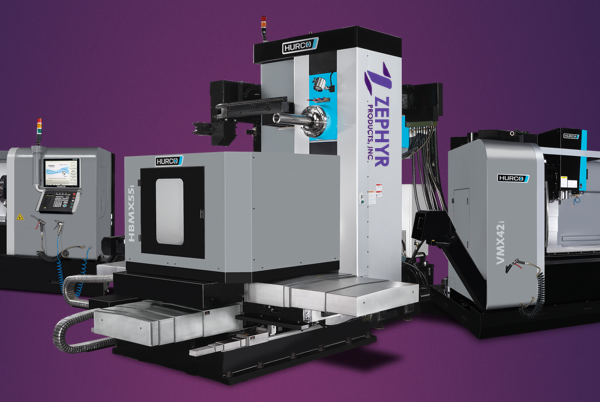
- HURCO HBMX55i – Heavy-duty CNC milling center designed for large part machining on 4-Axis, long travel, and accurate post-weld machining of oversized components.
- HURCO VMX42i – High-precision CNC vertical machining center supporting 3-Axis milling, ideal for complex geometries and tight-tolerance components.
Turning & Mill-Turn Services
- HURCO TM10MYi – CNC turning center with live tooling and multi-axis capability, enabling efficient turning, milling, and finishing in a single setup.
Mill-turn capability reduces part handling, improves concentricity, and supports tighter tolerances especially for components requiring both rotational and milled features.
Quality Inspection Built In
Precision machining is supported by digital inspection and on-machine probing, helping verify fit, finish, and function during production not just at the end. This improves confidence, reduces rework, and ensures parts meet specification before moving downstream.
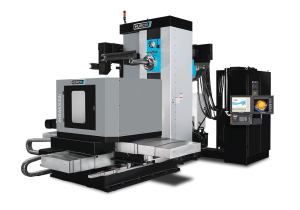
HURCO HBMX55i — Horizontal Boring Mills
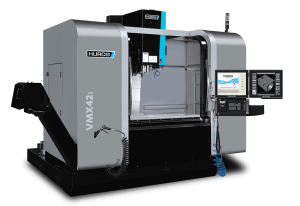
HURCO VMX42i — 3-Axis Machining Centers
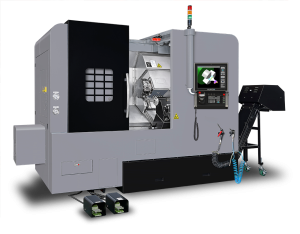
HURCO TM10MYi — Turning Center
What We Machine
Precision machining supports a wide variety of fabrication workflows and industries. We commonly machine components used in manufacturing, industrial equipment, structural fabrication, OEM production, and custom builds — anywhere accuracy and repeatability are essential.
Common Precision-Machined Part Types
- Cut-to-length material and production stock
- Components prepared for forming, welding, or assembly
- Structural elements requiring consistent sizing
- Parts supporting downstream fabrication processes
- Post weld line boring alignment operations
We work with mild steel, stainless steel, and aluminum. Material sizes, profiles, and machining approaches vary by application, and our capabilities remain flexible to support a broad mix of project requirements without forcing designs into overly rigid constraints.
Precision machining helps ensure parts start their lifecycle correctly, reducing downstream issues and improving overall fabrication efficiency.
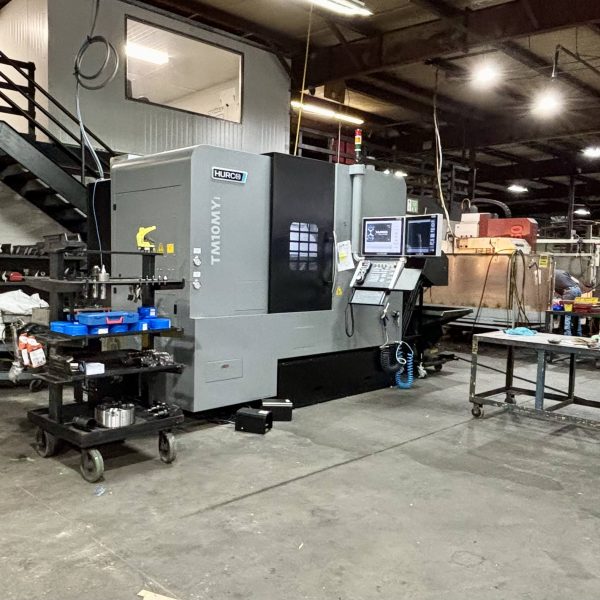
Exact Parts, Every Time
Our precision machining services are designed to support accuracy, consistency, and efficiency across a wide range of fabrication and manufacturing needs.
At Zephyr, our precision machining processes are program-driven and repeatable, helping reduce variability and improve part quality across prototypes, short runs, and production programs. Whether your project requires cleanly cut stock, accurately sized bundles, or machined features prepared for downstream fabrication, our machining capabilities help control tolerances, reduce rework, and support dependable results.
Precision machining is often the foundation of a successful fabrication process. When raw material is cut accurately and features are placed consistently, forming, welding, and assembly become faster, cleaner, and more predictable.
Common Use Cases
Precision machining supports a wide range of real-world fabrication scenarios, including:
- Preparing cut-to-length material for welded assemblies
- Producing repeatable components for OEM programs
- Reducing setup time for downstream fabrication steps
- Supporting prototypes and scalable production runs
If you have drawings, CAD files, or basic material requirements, we can help evaluate how precision machining fits into your overall manufacturing process.
Request a Quote
Ready to get started? Send us your drawings or CAD files along with material and quantity details, and we’ll help you determine the best approach for cost, lead time, and part quality.
Send quote requests to [email protected]
Precision Machining FAQ
What is precision machining used for?
Precision machining is used to accurately prepare material and features for fabrication, assembly, or production, ensuring consistent sizing and repeatability.
What materials can be machined?
We commonly support mild steel, stainless steel, and aluminum. Material size and machining approach depend on application and design requirements.
Is precision machining suitable for production runs?
Yes. Program-driven machining scales efficiently from prototypes to production volumes.
Can precision machining reduce fabrication time?
Often, yes. Accurate material prep reduces downstream adjustments, rework, and delays.
How do I get started?
Send your drawings or CAD files along with material and quantity details to [email protected]. We’ll confirm the best approach and help guide the process. You can also learn more about our quality manufacturing standards before reaching out.